Bring the Wild West to Your Brand with Cowboy Horse Font
I was sitting at my desk, staring at a blank brand board, when I stumbled across Cowboy Horse. It was one of those moments where you know instantly that something clicks. This isn’t just any font—it’s a display font with a story, a vibe, and a visual punch that screams Western charm. As a graphic designer working on a branding project for a small café, I needed something bold and memorable, and this font delivered exactly that.
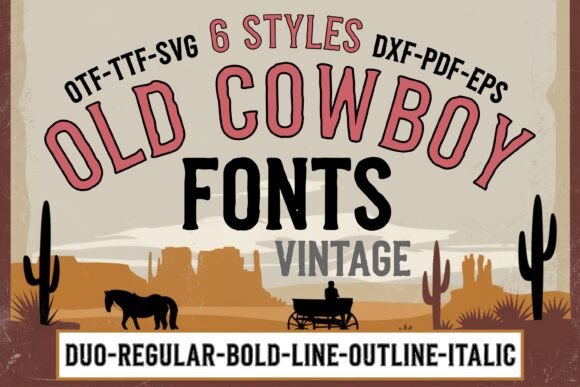
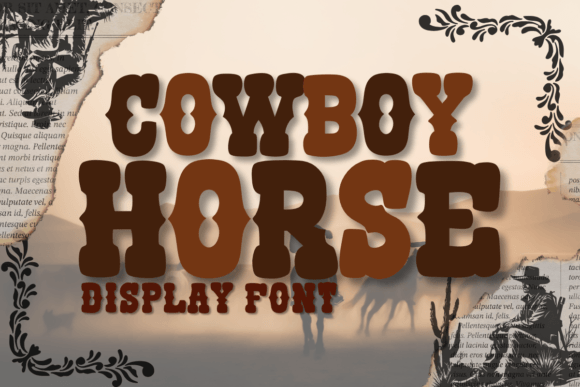
Cowboy Horse has big, bold letters with a rugged, old-timey feel. It looks like it was pulled straight from a cowboy’s poster or a dusty saloon sign. The curves are deliberate, the strokes are thick, and there's an unmistakable sense of character in every letter. It’s not a font you’d use for a fine-print document, but it’s perfect for grabbing attention in a way that feels authentic and fun.
My first test was applying it to a logo draft for the café. I wanted the name “Sunset Trail Café” to stand out against a rustic background. Cowboy Horse fit like a glove. The boldness of the font made the name feel strong and inviting, while the old-timey design added a touch of nostalgia that resonated well with the café’s theme. It wasn’t just about looking good—it was about feeling right.
I also tested it on packaging mockups. A coffee bag labeled “Wild West Blend” looked incredible with Cowboy Horse as the headline. The font didn’t overpower the design; instead, it anchored the whole thing, giving it a cohesive and thematic look. It worked equally well on social media graphics too. An Instagram post featuring a sunset photo with the text “Ride Into the Sunset” in Cowboy Horse got more engagement than any other post I had tried before.
One of the things I noticed early on is how Cowboy Horse affects readability. While it’s definitely a display font, it still maintains enough clarity to be legible even at smaller sizes. That makes it versatile for use in brand materials beyond just headlines. It can work as a supporting typeface in short-form text, like taglines or product descriptions, as long as it’s balanced with a more readable sans serif or serif font.
Font pairing is always a delicate dance, and Cowboy Horse is no exception. When I paired it with a clean sans serif font like Helvetica Neue for body text, the contrast was striking. The bold Western style of Cowboy Horse stood out against the modern simplicity of Helvetica, creating a visual hierarchy that felt intentional and professional. It’s a great example of how a display font can elevate a brand identity without clashing with the rest of the design system.
I also experimented with using Cowboy Horse on business cards and label stickers. On a business card, the name “Sunset Trail Café” in Cowboy Horse took center stage, while a smaller sans serif font handled the contact details. It gave the card a unique personality without making it feel unprofessional. Similarly, on a label sticker for a handcrafted mug, the font added a sense of authenticity that aligned perfectly with the product’s handmade appeal.
As I moved through the branding process, I found that Cowboy Horse worked best as a headline font and accent typeface. It’s not meant to be used extensively throughout a full brand system, but when used strategically, it adds depth and character. For instance, in the café’s website hero section, the main headline was in Cowboy Horse, while the subheadings and body text were in a more traditional serif font. The result was a balance between creativity and professionalism that felt just right.
If you’re considering using Cowboy Horse in your own projects, I recommend testing it in different contexts before committing to a full brand rollout. Try it on mockups for logos, packaging, posters, and digital assets to see how it performs. Also, check if it includes alternate characters, ligatures, or weights that might enhance your designs further. And don’t forget to consider licensing—especially if you're using it for commercial clients.
In the end, Cowboy Horse became a key element of the café’s brand identity. It helped create a visual language that was both unique and consistent, reinforcing the brand’s personality and values. Whether you're designing for a Western-themed restaurant, a vintage-inspired boutique, or a creative studio looking for a standout typeface, this font could be the perfect addition to your toolkit.
So next time you're working on a project that needs a touch of the Wild West, give Cowboy Horse a try. You might just find that it brings your design to life in ways you never expected.