Camping Planner Font for Creative Projects
It was a quiet afternoon in my studio, the kind where inspiration just drops like a leaf from a tree. I had been working on a new line of seasonal candles and needed a label that would stand out—something playful yet elegant. That’s when I stumbled upon Camping Planner, a display font with a bold and whimsical charm that immediately made me think of summer nights around a fire pit and handwritten notes tucked into a backpack.
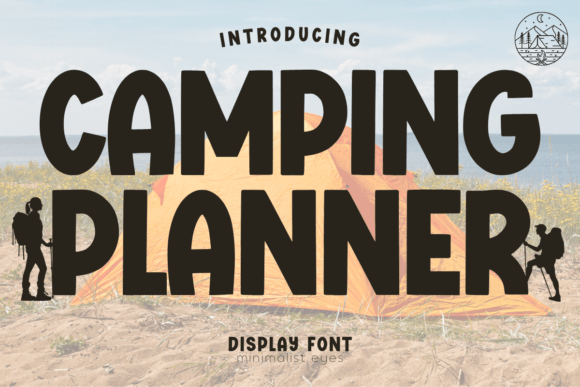
Camping Planner is more than just a typeface—it’s a mood. With its playful curves and confident strokes, it feels like it was crafted by someone who loves to write with joy. The font has a natural energy that makes it perfect for anything from greeting cards to boutique packaging. It’s not too formal, but it doesn’t scream “childish” either. It strikes that balance between fun and refined, which is exactly what I needed for my candle labels.
Bringing Camping Planner to Life on Handmade Products
I started by testing Camping Planner on a few mockups. First, I used it for a set of birthday invitations. The font worked beautifully on the front cover, paired with a clean sans serif font for the details. The contrast made the design feel both modern and nostalgic, like a story being told through typography.
Next, I applied it to some product tags for my handmade candles. The boldness of the font made the brand name pop, while the soft edges gave it a friendly vibe. I even tried it on a small sticker sheet for my shop’s packaging. The font scaled well, and the readability was excellent—even on tiny labels.
One of my favorite uses so far has been for a printable wall art collection. I designed a series of quotes about adventure and nature, using Camping Planner as the main text. The font added a sense of movement and warmth, making each piece feel like an invitation to explore.
Designing with Camping Planner: Tips and Pairings
When working with Camping Planner, I’ve found that pairing it with a simple sans serif font helps keep the design balanced. For example, using it on a wedding invitation with a minimalist sans serif for the event details gives the piece a polished yet approachable look.
If you’re designing for digital downloads or printables, be sure to check the file formats included with the font. I always make sure to have access to SVG and OTF files so I can use it across different platforms, from Cricut projects to web banners.
Also, take time to explore the alternates and ligatures. Sometimes, a subtle swash or alternate character can elevate a design from good to unforgettable. I’ve used these features to create unique lettering for farmhouse signs and boutique tags, adding a personal touch without overcomplicating the design.
For longer text, like packaging descriptions or journal pages, I recommend keeping Camping Planner for headings or decorative elements. It’s not meant to be the main body font, but it shines when used sparingly for emphasis and visual interest.
Using Camping Planner in Shop Branding and Seasonal Designs
One of the most exciting things about Camping Planner is how versatile it is for seasonal products. I recently created a line of holiday tags and gift wrap designs using this font. The playful tone of the font matched the festive spirit perfectly, and customers loved how it added a personal, handcrafted feel to their holiday gifts.
I also used it for a back-to-school planner page design. The font’s energy fit the theme of new beginnings and exploration, making the planner feel like an adventure waiting to happen. It was a hit with teachers and students alike, and I received several requests for custom versions with different themes.
For commercial use, I always double-check the licensing terms. Camping Planner comes with a commercial license, which is essential if you’re selling physical products, digital templates, or printables. This ensures that your designs are protected and that you can confidently offer them to your customers.
Whether you’re creating product labels, wedding stationery, or digital printables, Camping Planner brings a unique personality to every project. Its charm lies in its ability to make even the simplest message feel special. And that, I think, is what makes it such a valuable tool for any maker or designer looking to add a touch of creativity to their work.